Plant Embroidery Design: A Pro Review for Small Business
As an embroidery designer who has spent years refining machine embroidery design assets for commercial clients, I approach every new file with a critical eye. When a small business owner or apparel decorator asks me to review a digital embroidery file, they aren't just looking for pretty pictures; they are looking for brand consistency, durability, and professional execution. Today, I am reviewing the Plant Embroidery Design, a piece categorized under Single Flowers but clearly intended to serve as a versatile botanical accent. Does this design hold up under the scrutiny of a production environment? Let's dive into how this specific asset performs when moving from a digital screen to real-world merchandise.
First Impressions: Elegance Meets Modern Branding
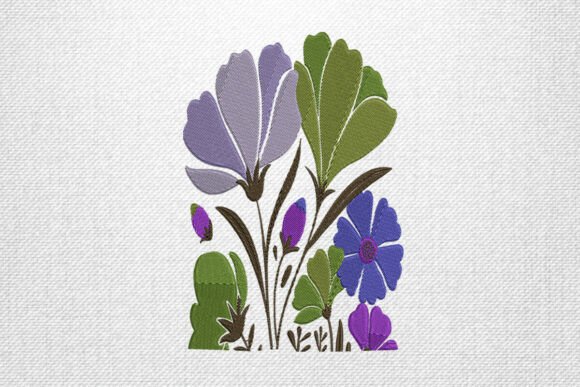
The moment I opened the preview for the Plant Embroidery Design, the aesthetic was immediately clear. The description promises "elegant green leaves and clean stitch details," and upon closer inspection, the visual personality is undeniably fresh and modern. In the world of brand identity, botanical elements have shifted from rustic clichés to premium, sophisticated markers of quality. This design avoids the cluttered look often found in older floral files. Instead, it offers a streamlined silhouette that suggests growth, nature, and organic care—values that resonate deeply with eco-conscious consumers.
For a boutique florist, a local café, or a handmade skincare brand, this Embroidery asset feels less like a decoration and more like a statement. It strikes a balance between friendly and professional. It is not so bold that it overwhelms a garment, nor is it so subtle that it gets lost on a busy uniform. The clean lines suggest that the stitch density is well-managed, which is crucial for preventing puckering on delicate fabrics. If you are building a visual language around natural ingredients or sustainable practices, this design fits the narrative perfectly without feeling generic.
Real-World Application: From Patches to Uniforms
The true test of any embroidery file is its versatility across different product categories. Here is how I envision the Plant Embroidery Design performing in actual small business merch scenarios:
- Branded Patches: This design is an excellent candidate for creating high-quality embroidered patch accents. Because the leaf shapes are distinct, they will translate beautifully onto felt or twill backings. You can use these patches on denim jackets, tote bags, or even as removable branding for event staff.
- Staff Uniforms and Aprons: For a bakery or a coffee shop, placing this design on the chest pocket of a chef's coat or the bib of an apron adds a touch of class. Apron embroidery using this motif signals attention to detail. It elevates the staff appearance from standard service to curated hospitality.
- Cap Embroidery: On a structured baseball cap, the Plant Embroidery Design works well as a side logo or a small front accent. Its organic shape complements the curved surface of a cap panel better than rigid geometric logos might.
- Tote Bag Design: As reusable bags become a primary marketing tool, a simple, elegant plant motif stands out against canvas. It reinforces the "green" message of the bag itself while promoting your brand.
- Product Packaging Accents: Beyond apparel, consider using this as a label on gift boxes or woven tags for handmade products. It turns a simple package into a memorable unboxing experience.
In all these applications, the design serves as a cohesive thread tying together your custom apparel and promotional items. It creates a sense of visual consistency that customers subconsciously associate with professionalism and trust.
Critical Considerations: Where to Be Careful
While the Plant Embroidery Design is robust, experienced decorators know that context is everything. There are specific scenarios where this design requires careful handling to ensure the finished product meets quality standards.
First, consider size. While the design looks great at medium scales, shrinking it too much for tiny labels or very small caps can cause the fine details of the leaves to blur. If you plan to use it on a small patch, verify that the stitch count remains legible after scaling. Second, fabric texture matters. On highly textured materials like heavy corduroy or thick fleece, the fine outlines of the leaves might get lost. You may need to adjust the thread colors to create higher contrast against dark uniforms or textured backgrounds.
Furthermore, be mindful of placement on curved surfaces. While it works on caps, placing it on the side of a bottle or a rounded shoulder area might distort the natural flow of the leaves. Always check the grain of the fabric. Finally, if you are producing items that require frequent industrial washing, such as restaurant aprons, ensure the hoop size and stabilizer choice support the longevity of the stitches. High-density areas can sometimes pull on stretchy fabrics over time, so testing is non-negotiable.
Impact on Brand Identity and Customer Perception
Why does a small business invest in a specific machine embroidery design? The answer lies in perception. Using the Plant Embroidery Design communicates that your brand values aesthetics and quality. In a saturated market, a professionally embroidered logo or accent separates you from competitors using cheap screen prints or iron-on transfers.
This design enhances the perceived value of your handmade product. When a customer sees a clean, detailed botanical motif on a tote bag or a shirt, they assume the same level of care went into the product itself. It builds customer trust and recognition. Over time, seeing this specific leaf pattern across your design assets—from your website mockups to your physical merchandise—creates a strong brand recall. It tells a story of growth and nature, engaging buyers who align with those values.
Designer Notes: Best Practices for Production
Before you commit to a bulk run of merchandise featuring the Plant Embroidery Design, follow these practical steps to ensure success:
- Test in Black and White: Run a test stitch in a single color first. This helps you see the structure of the design without the distraction of thread colors. Check for gaps or uneven spacing.
- Verify Hoop Size: Confirm that the design fits within your machine's maximum hoop dimensions. If it requires a larger hoop than you own, you may need to split the design, which can affect alignment.
- Select the Right Stabilizer: For light fabrics like linen or cotton tees, use a cut-away stabilizer to prevent distortion. For heavier items like denim jackets, a tear-away might suffice, but always test on the actual material.
- Create a Printable Mockup: Before sending designs to production, generate a printable mockup for client approval. Show the design on a white t-shirt, a black apron, and a beige tote bag to demonstrate versatility.
- Check Commercial Licensing: Ensure you have the rights to use this digital embroidery file for commercial purposes. Some files are for personal use only, which could lead to legal issues for your business.
- Compare with Other Assets: Place the Plant Embroidery Design next to your existing logo or other design elements. Does it clash? Does it complement? Consistency is key.
The Plant Embroidery Design is a strong contender for any business looking to add a touch of nature to their creations. With its elegant green leaves and clean stitch details, it offers a fresh, modern botanical charm that translates well across various media. Whether you are an Etsy seller crafting unique gifts or a large apparel decorator managing corporate orders, this file provides a solid foundation for high-quality branding. By following best practices in testing and application, you can ensure that every item bearing this design reflects the professionalism and care your brand stands for.