Blue Wildflower Embroidery Design Review
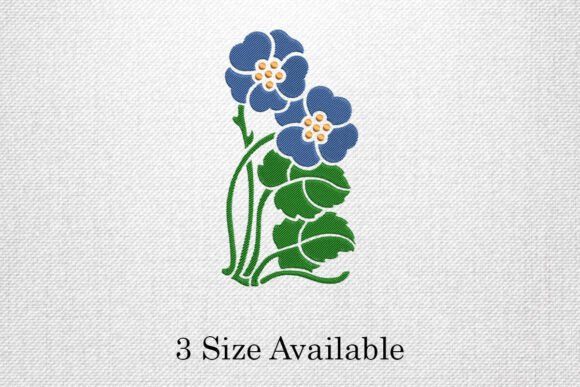
As I set up my table for the upcoming weekend craft fair, I am surrounded by stacks of unfinished goods waiting to be transformed into sellable items. The difference between a booth that draws a crowd and one that gets ignored often comes down to the visual impact of the machine embroidery design chosen for the season. Today, I am reviewing the Blue Wildflower Embroidery Design, a digital asset promising to bring the charm of nature to our creative projects. This design features two elegant blue blossoms with green leaves and delicate yellow centers. Before I commit hours of machine time and fabric costs, I need to determine if this specific embroidery file will translate well into a profitable craft fair product.
First Impressions: Elegance Meets Nature
When I first load the preview of the Blue Wildflower Embroidery Design, the immediate feeling is one of soft elegance. It does not scream "rustic farmhouse" in a loud way, nor does it feel overly modern or minimal. Instead, it strikes a balance that feels timeless. The combination of blue blossoms against green foliage creates a classic botanical aesthetic that appeals to a wide demographic. For an Etsy seller or a boutique maker, this type of Single Flowers motif is versatile enough to fit into various brand identities without clashing.
The description notes that the design adds a touch of nature to projects, and visually, the delicate yellow centers provide just enough pop of contrast to keep the eye moving. In a crowded market environment where customers scan tables quickly, a design that feels both natural and refined tends to stop the scroll. It suggests quality without needing a price tag to prove it. However, the true test lies in how these pixels translate to thread on actual fabric.
Product Versatility and Market Appeal
One of the primary advantages of the Blue Wildflower Embroidery Design is its potential application across multiple product categories. I am currently planning to use this as a focal point on several key items:
- Tote Bags: A large-scale version of this design on a canvas tote bag works exceptionally well. The blue thread stands out beautifully against natural linen or cream-colored cotton, making it a perfect tote bag design for eco-conscious shoppers.
- Kitchen Linens: For tea towel embroidery, the floral theme fits perfectly. Placing the two blossoms near the hem or centering them on a folded towel creates a charming handmade product that looks great in a home kitchen display.
- Apron Embroidery: On an apron, this design can serve as a subtle accent on the chest pocket or a larger statement on the back. It elevates a standard utility item into a giftable piece.
- Embroidered Patches: If I were to stabilize this heavily, it could work as a detachable patch for denim jackets or backpacks, appealing to a slightly younger demographic looking for unique accessories.
- Pillow Covers: As a decorative element on a pillow cover, the Blue Wildflower Embroidery Design adds texture and depth that printed fabrics simply cannot achieve.
For the small shop owner, having one digital embroidery file that can be adapted for bags, linens, and apparel maximizes inventory efficiency. It allows me to create a cohesive collection at the booth, reinforcing brand consistency.
Practical Production Considerations
While the visual appeal is strong, the practicalities of production are where many designers stumble. When preparing the Blue Wildflower Embroidery Design for batch production, I must consider the stitch density. Floral designs often have areas where petals overlap or leaves cluster. If the density is too high, the fabric may pucker, ruining the look of the finished product. Conversely, if it is too sparse, the design might look flimsy.
I also need to pay close attention to the "delicate yellow centers." In the digital preview, they look crisp. In reality, tiny details like flower centers can get lost if the hoop size is too small or if the fabric texture is too rough. Thick terry cloth towels or textured canvas might swallow these fine stitches. Therefore, testing the design on scrap fabric is non-negotiable. I will run a test stitch on the exact materials I plan to sell to ensure the yellow thread pops and doesn't blend into the background.
Furthermore, the choice of thread colors is critical. While the design specifies blue, green, and yellow, the shade matters. A navy blue might look premium on white but muddy on beige. I will compare fabric swatches under natural light to ensure the color palette enhances the visual appeal rather than detracting from it.
Critical Care Notes for Sellers
To ensure the Blue Wildflower Embroidery Design performs well, there are specific areas that require careful handling:
- Fabric Texture: Avoid using this design on very thick or highly textured fabrics unless you adjust the stabilizer. Textured surfaces can distort the delicate lines of the petals.
- Small Accents: If shrinking the design for a cap or a small pouch, verify that the yellow centers remain visible. Designs that lose clarity at smaller sizes should be avoided for those specific applications.
- Dark Fabrics: While the design is beautiful on light backgrounds, placing it on dark fabric requires a backing layer or a different thread weight to prevent the stitches from disappearing.
- Stabilizer Choice: Using the right stabilizer is essential to prevent puckering, especially on stretchy fabrics or lightweight linens.
Maximizing Sales and Display Strength
At the craft fair, the goal is to capture attention within seconds. The Blue Wildflower Embroidery Design has the potential to be a strong booth display strength driver because of its color psychology. Blue is calming and trustworthy, while yellow adds energy. When displayed on a clean white or neutral backdrop, these colors draw the eye immediately.
For online sales, particularly for the Etsy seller, photography is key. This design photographs well because the raised texture of the embroidery catches the light differently than flat print. Creating at least one real mockup for your printable mockup assets ensures that customers see exactly what they are buying. High-quality photos of the commercial embroidery on finished goods can significantly increase buyer engagement and perceived value.
This design also offers excellent repeatability. Once I have dialed in the settings for the Blue Wildflower Embroidery Design, I can produce a batch of matching items efficiently. This scalability is vital for turning a hobby into a business. Whether selling as a standalone small shop product or part of a larger gift set, the design holds up well.
Final Designer Verdict
Before finalizing my order list, I must confirm the commercial licensing terms. As a professional, I know that selling finished products requires the correct rights to the design assets. Assuming the license permits commercial use, the Blue Wildflower Embroidery Design is a solid addition to any portfolio. It balances elegance with practicality, offering a fresh take on botanical themes that resonates with current market trends.
My recommendation is to proceed with caution regarding fabric selection and sizing. Test thoroughly, check the thread contrast, and review spacing before running a full batch. If executed correctly, this embroidery pattern will not only fill your inventory but also become a signature piece that customers remember. It transforms simple fabric into a cherished handmade product that brings the charm of nature directly into the hands of your buyers.