Skull and Roses Repeating Embroidery Pattern Review
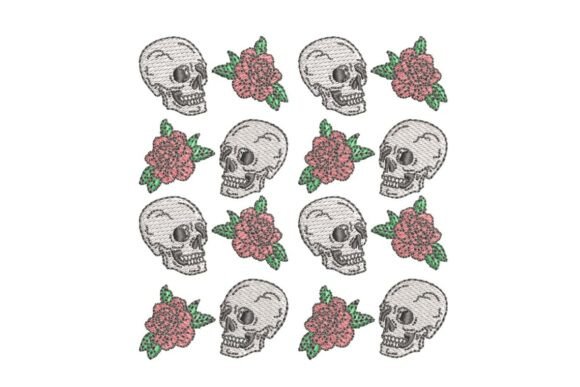
As an experienced embroidery designer preparing for the upcoming weekend craft fair, I am constantly evaluating new machine embroidery design assets to see which ones will actually move off the table. Today, I am reviewing the Skull and Roses Repeating Embroidery Pattern. This specific embroidery file features a tiled layout that alternates between a grey-scale human skull in profile and a blooming pink rose. It is a classic juxtaposition of mortality and beauty, perfectly timed for the Halloween season but with enough timeless appeal to work year-round for gothic or vintage-themed markets.
First Impressions: A Bold yet Balanced Aesthetic
When I first opened this digital asset, the immediate impression was one of sophisticated contrast. The grey-scale skull provides a stark, edgy foundation, while the blooming pink rose injects a necessary pop of color and softness. Unlike many designs that lean too heavily into scary or overly cute territory, this pattern strikes a balance that feels both modern and decorative. For a handmade product line, it offers a premium look without feeling cluttered. The repeating nature of the pattern suggests it is designed for surface coverage rather than just a single focal point, which opens up unique possibilities for larger items like tote bags and aprons.
Product Potential: Where This Design Sells Best
The versatility of the Skull and Roses Repeating Embroidery Pattern is its strongest selling point. Here is how I envision this design performing across different categories of my booth display:
- Tote Bags and Market Bags: This is where the repeating pattern truly shines. Running the motif down the length of a canvas tote bag creates a striking visual rhythm. Customers at a craft fair are drawn to bags that tell a story, and the alternating skulls and roses create a narrative of "sweet death" that appeals to the alternative fashion crowd.
- Apron Embroidery: Placing a large section of this pattern on the bib of a linen apron makes for a standout kitchen accessory. The scale of the motifs works well here, allowing the detail of the rose petals and the contours of the skull to be appreciated from a distance.
- Tea Towel Embroidery: For a more subtle approach, a smaller strip of the pattern along the hem of a tea towel adds a touch of whimsy. It transforms a utilitarian item into a giftable piece that fits well in a farmhouse or eclectic kitchen.
- Embroidered Patches: While the full repeat is large, individual motifs can be extracted to create high-quality patches. These are excellent for Etsy sellers looking to offer customizable add-ons for denim jackets or backpacks.
- Pillow Covers and Caps: On a pillow cover, the pattern can serve as a bold centerpiece. However, on curved surfaces like caps, careful placement is required to ensure the skull's profile does not distort.
Production Reality: Practical Considerations for Makers
While the design looks stunning on screen, the real test happens when you load the machine. As a professional designer, I always advise checking the stitch density before committing to a batch production run. The grey-scale skull likely relies on satin stitches or tight fills to achieve the shading effect. If the density is too high, the fabric may pucker, especially on softer materials like cotton blends. Conversely, if the density is too low, the grey tones may appear muddy rather than distinct.
Another critical factor is the thread colors. The description mentions a grey-scale skull and a pink rose. To make this craft fair product pop, I would recommend using a metallic silver thread for the skull to catch the light under the market tent, paired with a vibrant fuchsia or dusty rose for the flower. The contrast between the cool metal and the warm organic color will draw the eye immediately. Always test these combinations on scrap fabric first to ensure the thread tension is correct and the colors do not bleed into each other.
Scaling and Fabric Texture Challenges
One potential pitfall with any detailed digital embroidery file is scaling. If you attempt to shrink this design too much for a small pouch or a button, the tiny details of the rose petals and the facial structure of the skull may become indistinguishable blobs. This loss of clarity can make the finished product look cheap. I strongly suggest keeping the motifs at their intended size or slightly larger to maintain definition.
Fabric texture also plays a significant role. On thick fabrics like heavy canvas or textured towels, the needle may struggle to penetrate dense areas, leading to skipped stitches. Using the right stabilizer is non-negotiable here. A cut-away stabilizer will provide the necessary support for the heavy stitch count of the skull, ensuring the design remains crisp and flat after washing. Without proper stabilization, the finished product could warp, ruining the professional appearance you worked hard to achieve.
Marketing and Visual Appeal for Online and Offline Sales
In the world of handmade sales, photography is everything. The Skull and Roses Repeating Embroidery Pattern photographs exceptionally well due to its high contrast. When creating a printable mockup for your online store or social media, use lighting that highlights the texture of the thread. Close-up shots showing the sheen of the grey thread against the matte pink rose will convey quality and craftsmanship.
For your physical booth, arrange products so customers can see the repetition. Lay out a row of embroidered patches next to a full-sized tote bag to show the range of applications. This visual storytelling helps buyers understand the value of the design. The pattern has a strong brand consistency; it signals a specific aesthetic—gothic chic—that attracts a loyal customer base. Whether you are a small shop product seller or a large boutique maker, having a cohesive collection based on this theme can increase buyer engagement and average order value.
Final Designer Notes and Licensing
Before you start stitching, there are a few final checks to perform. First, confirm the hoop size requirements. Since this is a repeating pattern, you may need to hoop multiple times or use a larger frame to capture the full flow of the design. Second, verify the commercial licensing terms. Many commercial embroidery files have restrictions on how many finished goods you can sell. Ensure you have the rights to produce and sell unlimited items if you plan to stock up for a busy season.
Finally, remember that the best design assets are those that solve a problem for the maker. The Skull and Roses Repeating Embroidery Pattern solves the problem of finding a versatile, seasonally relevant design that bridges the gap between spooky and elegant. By testing your thread contrast, managing your stitch density, and choosing the right fabrics, you can turn this digital file into a top-selling item that stands out in any crowded market.